HOTEL PRO FORMA LIVE
A Tribute To Kirsten Dehlholm
May 2026
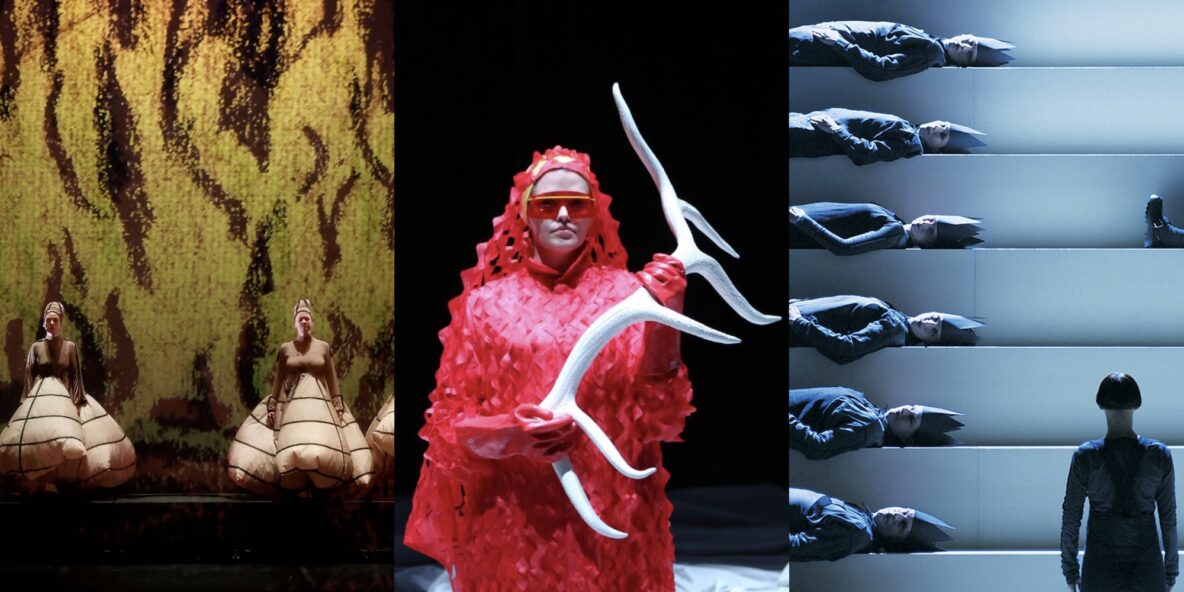
Flammenwerfer
May 2 - 4, 2026
Den Grå Hal, Copenhagen
NeoArctic
May 7 - 9, 2026
Den Grå Hal, Copenhagen
Operation:Orfeo
May 14 - 16, 2026
Den Grå Hal, Copenhagen
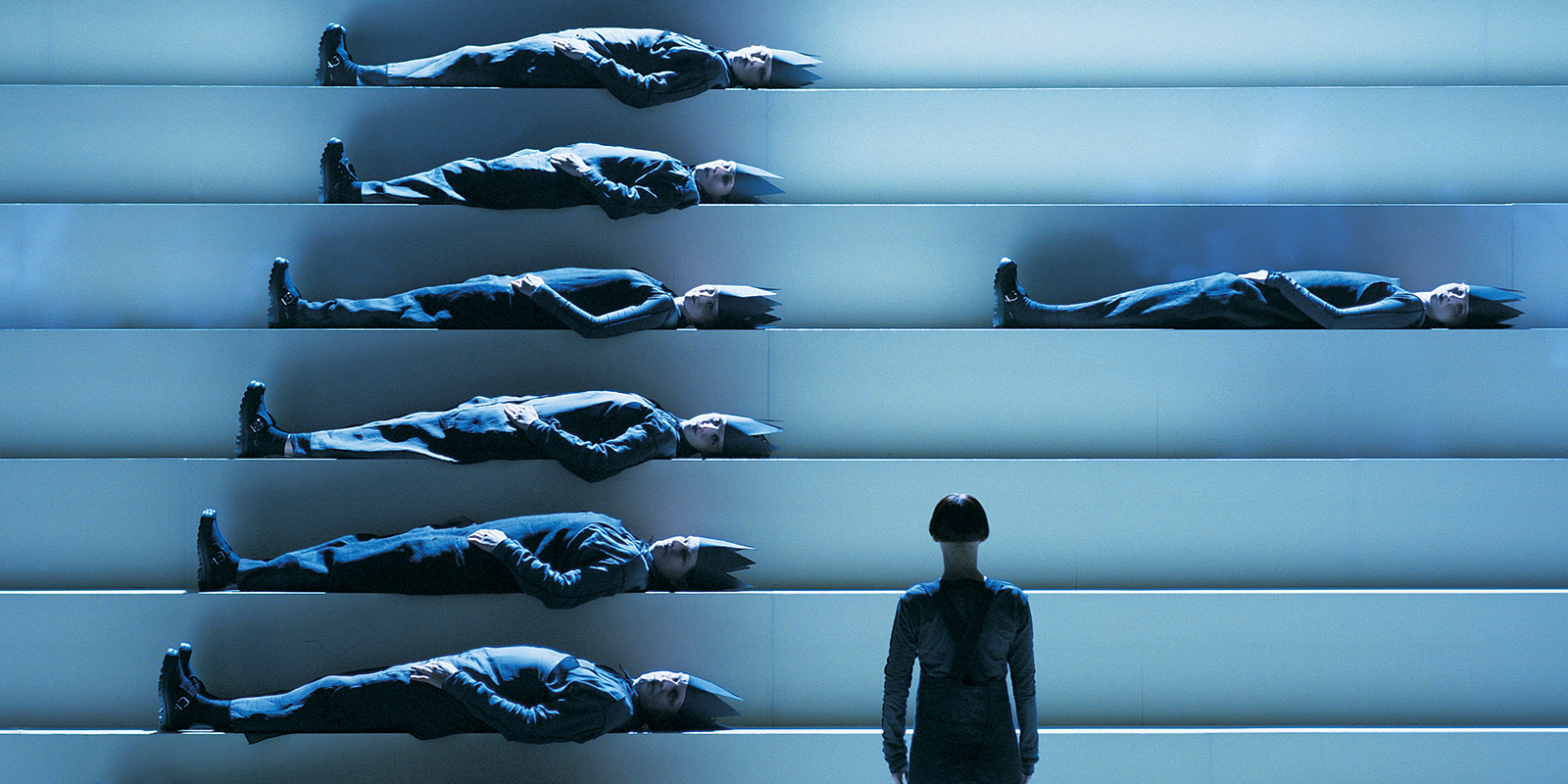
Hotel Pro Forma Live presents three iconic works by artistic director Kirsten Dehlholm (1945-2024), re-staged to affirm the continued relevance and vitality of her artistic legacy. The project honours four decades of groundbreaking work while actively shaping how these works live on: in space, live, and in direct encounter with audiences.
The programme brings together Flammenwerfer, NeoArctic, and Operation:Orfeo - three works defined by universal themes and distinctive aesthetics, exploring the human mind, humanity’s impact on nature, and the thresholds between love, life, and death.
Although all three works are still touring, these will be the last presentations on Danish soil. All re-stagings are directed by Marie Dahl. Join us for this unique chance to honor Kirsten and her work.
"She is a superb image maker, an explorer in time and space - across the art forms."
(Reumert Commettee, 2015)
Flammenwerfer

FLAMMENWERFER is Hotel Pro Forma’s new music theatre performance created by the directors Kirsten Dehlholm and Marie Dahl, composers, and musicians Blixa Bargeld and Nils Frahm, artist and fashion designer Henrik Vibskov, light designer Jesper Kongshaug, video designer Magnus Pind and sound designer Erik Medeiros.
On stage are Blixa Bargeld and the award-winning vocal ensemble IKI consisting of Johanna Sulkunen, Guro Tveitnes, Kamilla Kovacs, Randi Pontoppidan and Jullie Hjetland.
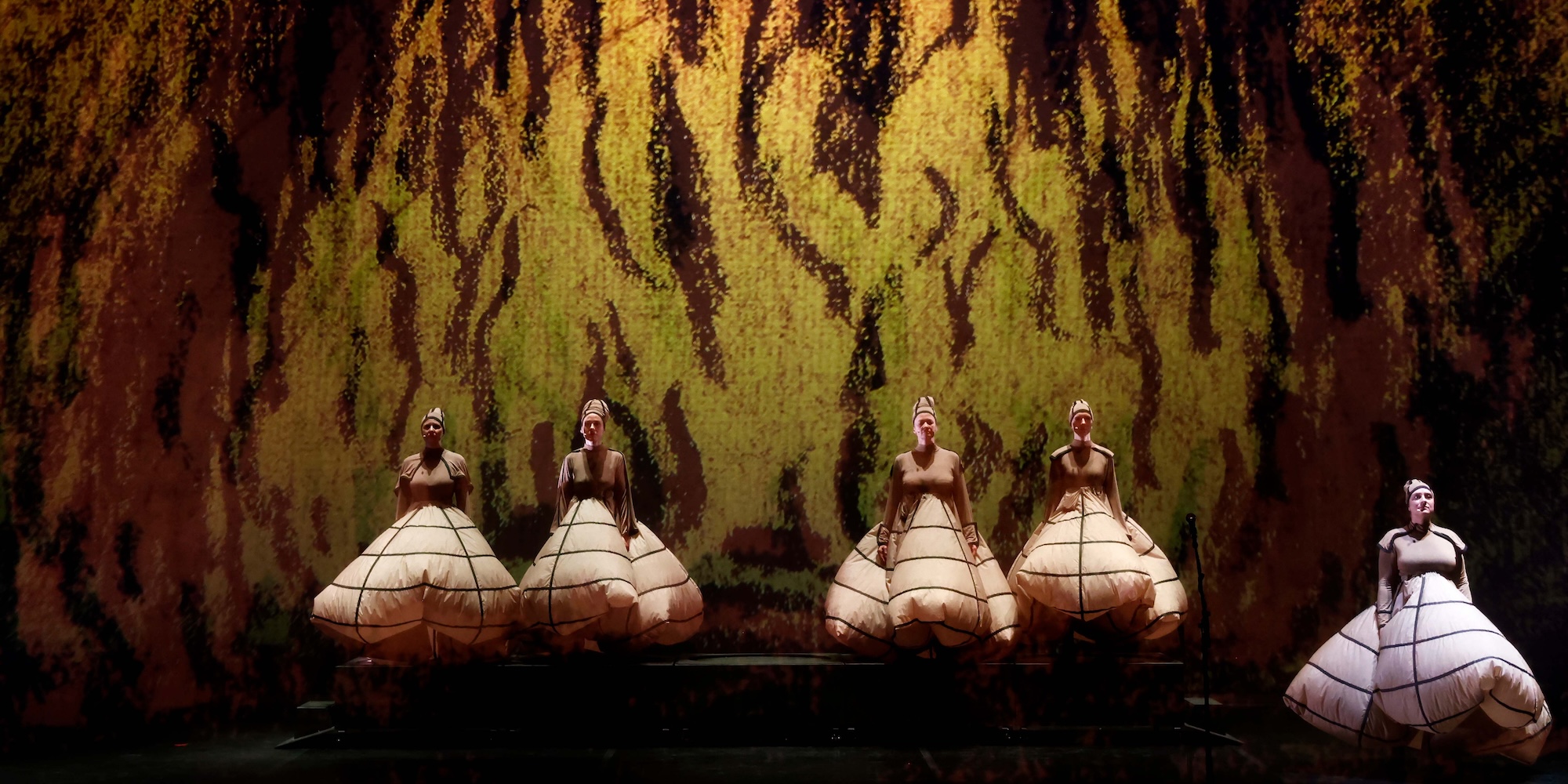
NeoArctic
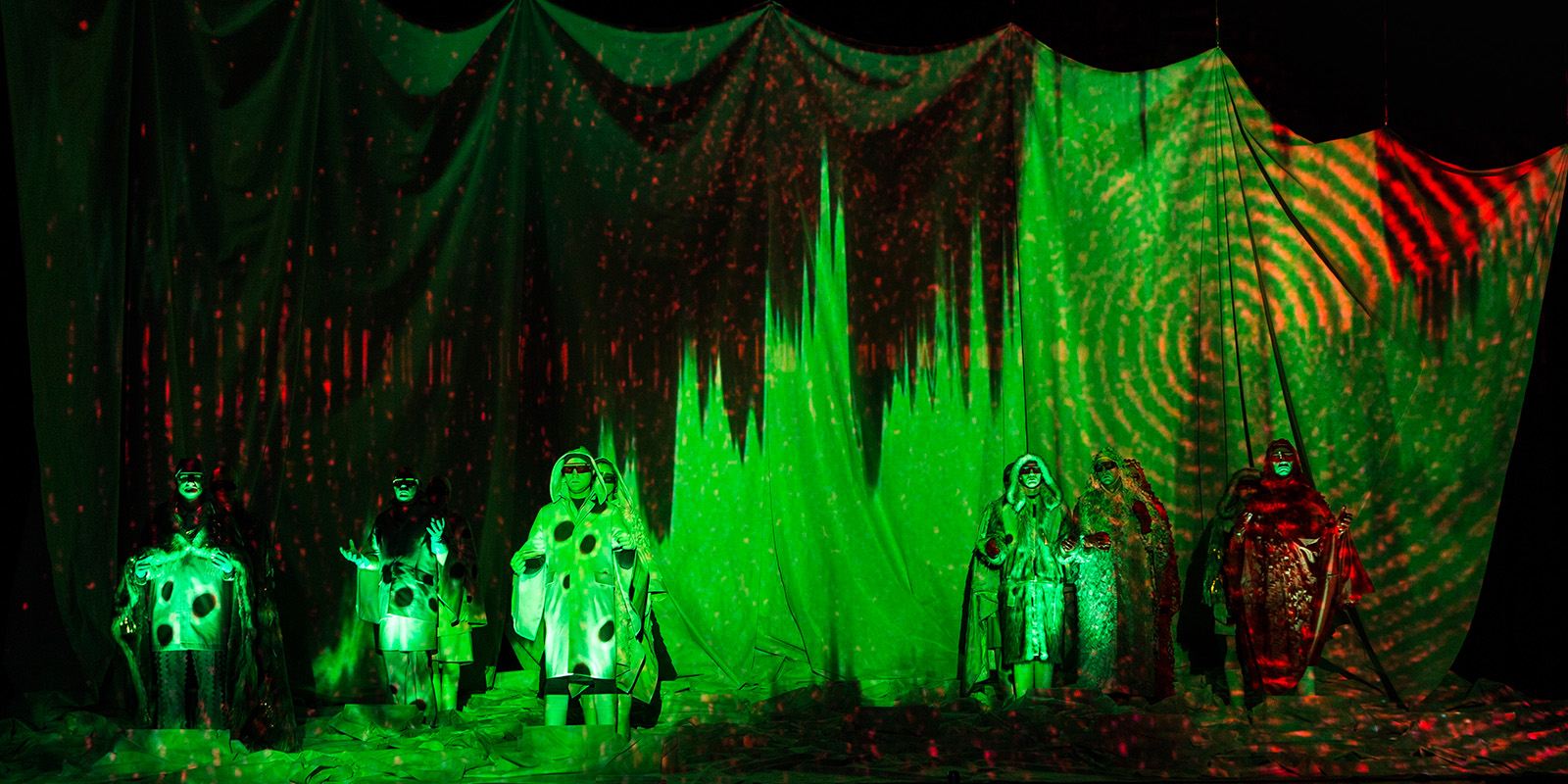
Hotel Pro Forma and Latvian Radio Choir continue the award-winning collaboration in a visual music performance.
The first cruise ship has already left on its journey via the North West Passage. The rest of us will soon follow as the eco-tourists of the New World, loaded with equipment to record nature’s wonders and to map geological, biological and climatic changes. Nature’s Titanic is well under way. We are equipped with technology, with books, articles and factual knowledge about the disastrous consequences for the planet Earth that come with our present lifestyle and capitalist system.
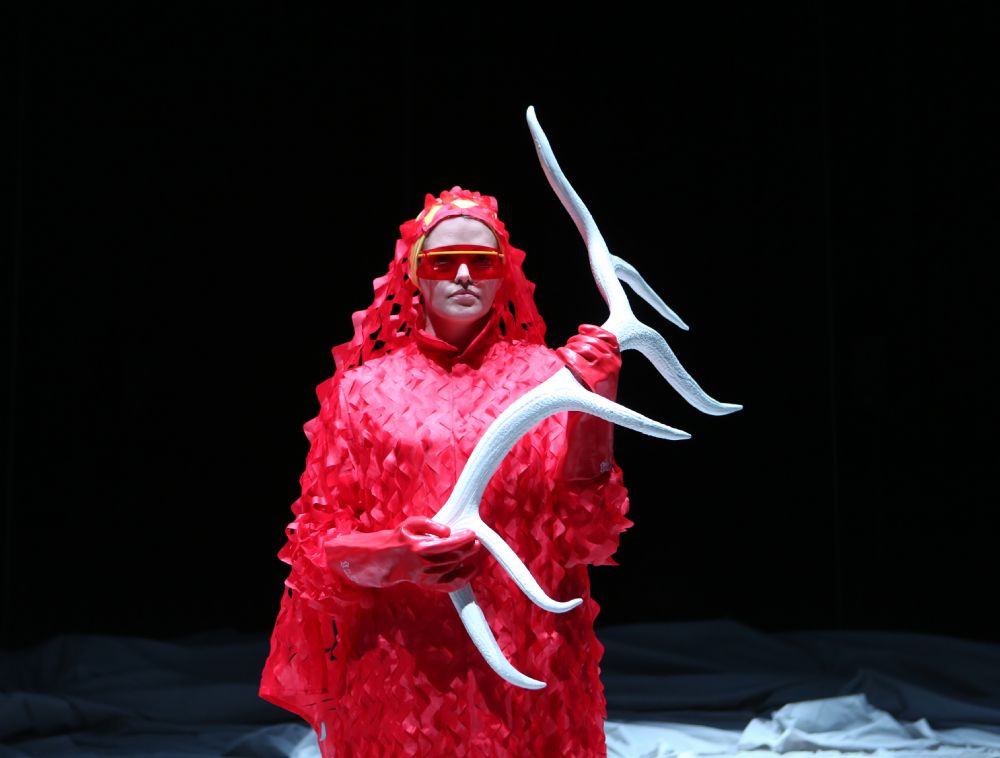
Operation:Orfeo
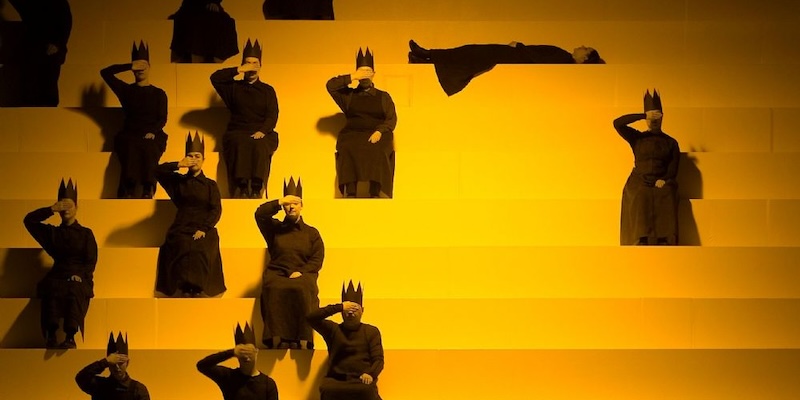
Operation:Orfeo is a musical work that draws on the basic principles of visual art. A reconceptualisation of the opera genre. Causal and dramaturgic sequence in libretto and music is replaced by a series of tableaux and compositions informed by purely visual and auditive principles rather than by dramatic modes of narration. The performance is a visual interpretation which comes to rediscover the basic elements of traditional opera.
The myth about Orpheus' journey to the underworld is not retold in a direct way. Rather, it serves as a dramaturgical device with the classical division of the myth into three parts informing a series of images translated into a contemporary scenic language. It hints at the mythic narrative without ever illustrating it.
Hotel Pro Forma Live has been made possible by kind contributions and support from: Danish Arts Foundation, Augustinus Foundation, Beckett-Foundation, Knud Højgaard Foundation, Louis-Hansen Foundation, Wilhelm Hansen Foundation, William Demant Foundation, The Zeuthen Memorial Grant, Wahlberg Motion Design, Eventsupply/ShowTech, Filmgear, Stouenborg Aps.
We also wish to thank Den Grå Hal, University of Copenhagen, Laura Luise Schultz, Holger Schulze, Solveig Gade and Nils Engelbrecht.